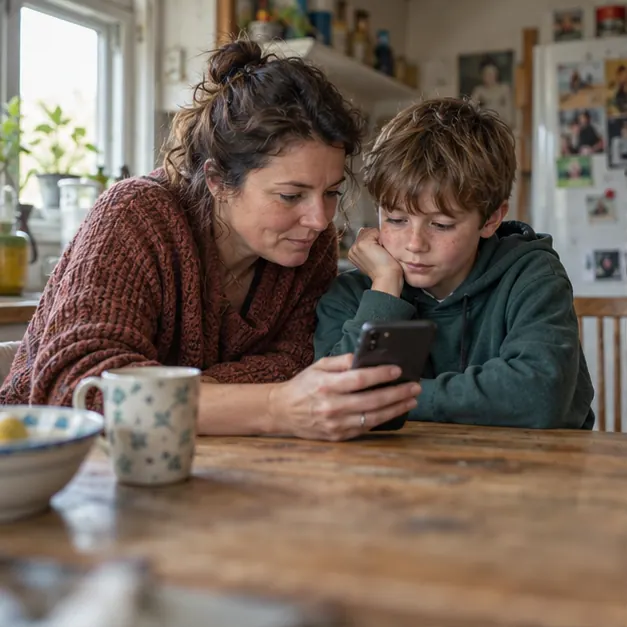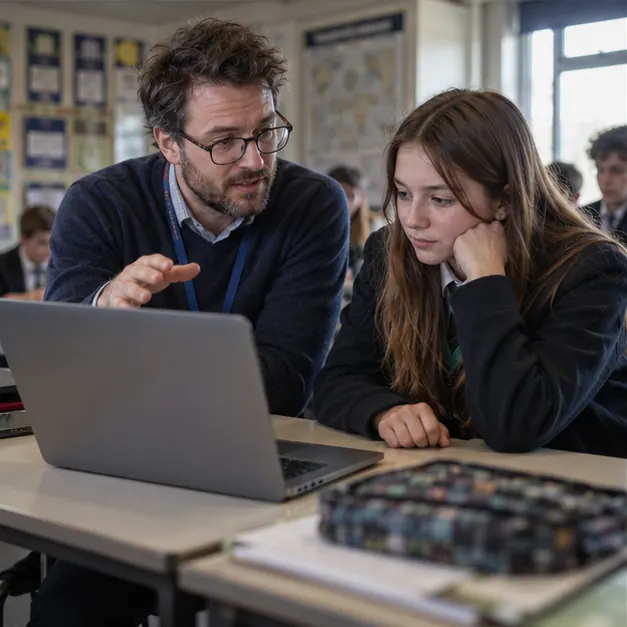
Treat an online disclosure as a safeguarding conversation, not a technical problem to solve in the moment. Follow your setting's child-protection policy and act promptly. This guide is a reminder of first-response practice; it does not replace statutory guidance or local procedures.
Listen and reassure
- Stay calm, give the pupil time to speak and use open prompts such as 'Tell me what happened'.
- Take the concern seriously. Do not promise secrecy; explain that you may need to share information to help keep them safe.
- Do not investigate, confront another pupil or ask the child to repeatedly retell the account.
- Record the child's words as accurately as possible, including when and how the disclosure was made.
- Pass the concern to your designated safeguarding lead (DSL) or deputy promptly, using the school's agreed route.
Preserve information safely
Record relevant platform, account and time details in line with your school's policy. Do not ask a pupil to send, download or forward an intimate image. Follow the DSL's instructions and the setting's procedure for handling potentially illegal content.
Keep the response proportionate and joined up
The DSL should consider the child's immediate safety, whether other pupils may be affected and which agencies or carers need to be involved. Share information through the setting's safeguarding channels and only with people who need it to protect the child. Do not promise a particular outcome or contact another family independently before the safeguarding lead has considered the situation.
Once an immediate response is under way, agree who will check back with the pupil and when. Online incidents can resurface after a post is reported or an account is blocked, so make sure the child knows how to raise a new concern. Follow your setting's policy for working with parents and carers, and record decisions and actions in the usual safeguarding record.